

Why You’re Still Tired After 8 Hours of Sleep and How Your Bed Might Be to Blame
You did everything right. You went to bed on time, avoided late-night scrolling, and slept a full eight hours. Yet when the alarm rings, you wake up foggy, stiff, and somehow more tired than before.
That frustrating mix of “I slept enough, so why do I feel awful?” is more common than you think. It isn’t always about caffeine, stress, or bad habits. Sometimes, the problem is right under you.
An unsupportive or undersized bed can quietly sabotage your rest. The wrong firmness, worn-out materials, or lack of space can interrupt your deep sleep cycles and leave your body struggling to recover.
The good news is that you can fix it. Once you understand how your bed influences every stage of your sleep, you can make small changes that help you wake up rested, refreshed, and ready for the day.
When 8 Hours of Sleep Isn’t Enough
We’ve all been told that eight hours of sleep is the magic number. The truth is, the amount of time you spend in bed doesn’t always match the rest your body actually gets.
Sleep isn’t just one long stretch of rest. It’s a cycle made up of light, deep, and REM sleep. You need a healthy balance of all three to wake up feeling refreshed.
When something interrupts those cycles, even briefly, your body can’t complete the repair work that happens during deep sleep.
Those interruptions can come from anywhere, like a partner shifting beside you, a warm room, an uneven mattress, or a pressure point that forces you to toss and turn. Every small disruption pulls you out of the deeper stages of sleep, which leaves you feeling like you barely slept at all.
That’s why quality always beats quantity. True rest comes from sleeping comfortably and continuously, not just checking off the eight-hour box.
How Your Bed Impacts Sleep Quality
Your mattress is the foundation of every night’s rest. It supports your spine, cushions your muscles, and keeps your body aligned through the night. When it’s not the right fit, even eight uninterrupted hours can leave you feeling achy and unrested.
The truth is, comfort doesn’t look the same for everyone. The right mattress should match your body, your sleep position, and your need for space.
Unfortunately, these common issues can quietly drain your energy night after night:
1. You’re Sleeping on the Wrong Firmness
A mattress that’s too firm or too soft can throw your whole body out of balance. Side sleepers need cushioning to protect their shoulders and hips. Stomach sleepers need extra support to keep the spine from dipping. If you sleep on your back, you’ll want a balanced blend of both.
When your mattress doesn’t match your natural sleep posture, your muscles stay tense instead of relaxing fully. That tension builds overnight, which is why you might wake up sore or stiff no matter how long you slept.
If your body feels better after a nap on the couch than in your own bed, it’s probably time to rethink your mattress.
2. Your Bed Is Too Small to Sleep Comfortably
Tossing, turning, and tugging at the covers all night is a clear sign that you don’t have enough space. When every movement wakes you or your partner, your sleep cycles break apart before your body can recharge.
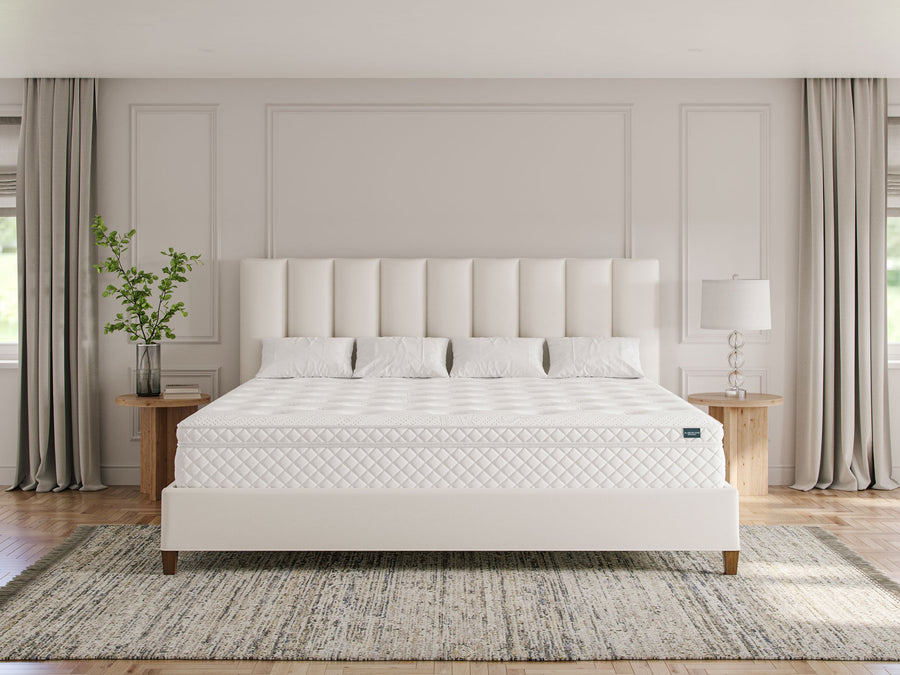
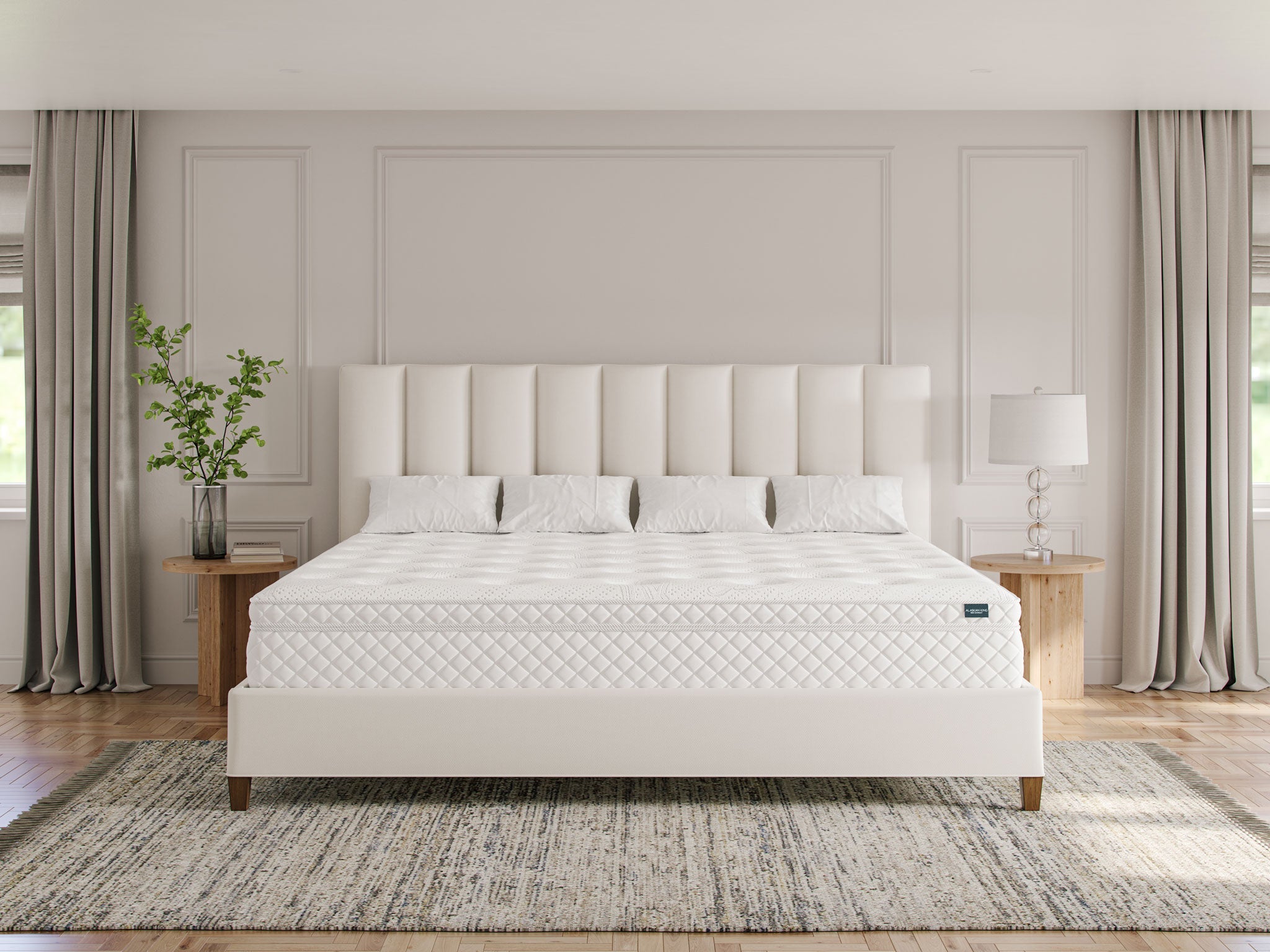
A family-size bed gives you freedom to move naturally and sleep without constant interruptions. With the extra width and length of a Wyoming King, couples and families can stretch out comfortably and still stay connected. That way, you don’t have to be afraid of elbows in the ribs or pets stealing your space.
3. Your Mattress Has Lost Its Support
Even the best mattresses have a lifespan. Over time, the materials start to sag, the edges lose structure, and the surface stops providing the even support your body needs. When that happens, your spine can fall out of alignment, especially in the lower back and hips.
You might not notice it right away, but your body will. Small dips and uneven pressure points can cause muscle strain, joint stiffness, and restless nights that leave you feeling sore by morning.
If you wake up with new aches or notice your mattress has visible indentations, it’s probably past its prime. Replacing it with a supportive giant mattress can instantly improve the quality of your sleep and help your body recover the way it’s meant to.
4. Temperature and Breathability Matter More Than You Think
A cool, breathable bed is essential for deep, restorative sleep. When your mattress traps heat or your bedding lacks airflow, your body struggles to stay at its ideal temperature. That’s when you start tossing off the blanket, waking up sweaty, or kicking your legs out in search of relief.
These small awakenings break up your REM and deep sleep cycles, which prevents your body from recharging properly.
Breathable materials like natural cotton or bamboo sheets can make a huge difference. They wick away moisture, regulate temperature, and create a calm, balanced sleep environment that lets your body stay cool and your mind drift off easily.
Environmental Factors That Keep You Tired
Even with the perfect mattress, your surroundings play a huge role in how well you rest. Light, noise, and clutter can all interfere with your body’s ability to wind down, while temperature and space affect how deeply you sleep.
Once your mattress is doing its job, these subtle details in your sleep setup can make or break your night’s rest:
1. Your Bedroom Isn’t Optimized for Sleep
Your bedroom should feel like a sanctuary, not a workspace or storage room. Bright light, background noise, and even visual clutter can make it harder for your brain to shift into rest mode. That’s because your body takes cues from your surroundings. Calm spaces signal it’s time to slow down, while stimulating ones keep your mind alert.
A few small changes can make a big difference. That’s why you should keep lighting soft and warm, remove unnecessary electronics, and minimize distractions. Choose calming, neutral colors and breathable bedding that feel inviting the moment you walk in.
When your environment feels peaceful, your body responds in kind. You’ll fall asleep faster, stay asleep longer, and wake up genuinely rested.
2. You’re Overheating at Night
If you constantly wake up tossing off the covers or flipping your pillow to the cool side, your sleep environment might be running too warm. When your body overheats, it struggles to stay in deep sleep stages that restore your muscles, mind, and mood.
Heavy bedding, memory foam that traps heat, or poor room airflow can all make the problem worse. The ideal sleep temperature is slightly cool, around 60-65°F, which helps your body relax and maintain steady sleep cycles.
Try layering lighter, breathable bedding materials like cotton or bamboo that wick away heat and moisture instead of holding it in. A cooler bed helps you stay asleep longer and wake up feeling clear-headed instead of groggy and flushed.
3. Your Sleep Space Is Too Crowded
Co-sleeping with kids or pets can be one of life’s sweetest comforts. The warmth, connection, and sense of security it brings are part of what makes a house feel like home.
However, when the bed is too small, that closeness can turn into chaos with elbows in the ribs, pets taking over your pillow, and constant shifting through the night.
A crowded bed means more movement, more micro-awakenings, and fewer chances for your body to sink into deep, restorative sleep.
That’s where a Wyoming King bed changes everything. With extra width and length, everyone has space to stretch, relax, and truly rest without giving up the closeness that makes sharing a bed so special.
Sleep Habits That Could Be Holding You Back
Even with the right bed and a peaceful environment, your daily habits play a major role in how refreshed you feel. The best mattress in the world can’t fix a schedule that constantly throws your body off balance.
Your sleep routine sets the rhythm for your body’s internal clock. When that rhythm gets disrupted, your rest suffers no matter how long you stay in bed.
Here’s what might be hurting your sleep:
Inconsistent Sleep Schedule
Your body thrives on rhythm. Going to bed and waking up at different times each day confuses your internal clock, which controls everything from hormone release to body temperature. When that clock is out of sync, falling asleep feels harder and waking up feels even worse.
Consistency is key. Try setting a regular bedtime and wake-up time, even on weekends. Over time, your body learns when to power down and when to recharge. Pair that with a supportive, comfortable bed that makes falling asleep easy and you’ll start to feel the difference within days.
Too Much Screen Time Before Bed
If you’ve ever scrolled through your phone “for just five minutes” and suddenly realized it’s past midnight, you’re not alone. The blue light from phones, tablets, and TVs signals your brain to stay alert and suppresses melatonin – the hormone that helps you fall asleep.
Even if you fall asleep quickly afterward, that mental stimulation lingers. It’s like telling your brain to sprint and then immediately expecting it to rest.
Try setting a digital sunset at least 30 minutes before bed. Use that time to unwind with a book, warm shower, or quiet conversation. Your body will respond quickly to the cue, which should help you fall asleep faster and rest more deeply once you’re under the covers.
You’re Ignoring Your Body’s Sleep Cues
We all push through fatigue from time to time. Maybe it’s answering one more email, finishing another episode, or staying up just a little longer. But when you ignore your body’s natural signals, you miss your best window for falling asleep easily.
Your body sends clear cues, like heavy eyes, slower thoughts, and a natural calm, to tell you it’s ready to rest. When you push past that point, you get a second wind that makes it harder to drift off and keeps you in lighter, less restorative sleep.
Listening to those cues is one of the simplest ways to improve sleep quality. Pair that awareness with a comfortable, supportive bed that welcomes you to rest, and you’ll start waking up truly recharged.
How to Wake Up Rested
Feeling truly rested doesn’t come from how many hours you sleep, but from the quality of those hours. Once you’ve addressed your mattress, environment, and bedtime habits, the next step is creating a routine that supports deep, uninterrupted rest every night.
Here are practical ways to wake up feeling clear, calm, and ready for the day:
-
Upgrade your bed. An oversize supportive mattress that fits your body and sleep style is the foundation of good rest. If you share your bed, consider a larger size like the Wyoming King to minimize disruptions.
-
Keep your room cool and breathable. Aim for a temperature between 60-65°F. Choose lightweight comforters, breathable fabrics, and open windows when possible to maintain airflow.
-
Create a consistent sleep schedule. Go to bed and wake up at the same time each day (even on weekends) to keep your circadian rhythm steady.
-
Set a screen curfew. Power down phones, TVs, and laptops at least 30-60 minutes before bed to help your body release melatonin naturally.
-
Limit caffeine and alcohol late in the day. Both can interfere with your sleep cycle and cause frequent awakenings through the night.
-
Make movement part of your day. Light exercise, stretching, or a short evening walk can reduce stress and make it easier to fall asleep.
-
Build a wind-down ritual. Try reading, journaling, meditation, or a warm shower before bed to signal your body that it’s time to rest.
-
Declutter your sleep space. Keep your bedroom calm and clean. Your mind will relax more easily in a peaceful environment.
-
Invest in better bedding. Soft, breathable sheets and a quality pillow can make a bigger difference than you think in comfort and temperature regulation.
- Listen to your body. If you’re exhausted, don’t push through. Go to bed when your body asks for rest. Consistency starts with awareness.
Invest in a Bed That Lets You Truly Rest
If you’re constantly waking up sore, tired, or restless, your bed might be part of the problem.
A Wyoming King bed gives you the space and comfort your body needs to recover deeply. The extra room means fewer disruptions and better alignment, wrapped in premium materials that keep you cool and supported through every stage of sleep.
Whether you share your bed with a partner, a pet, or your little ones, a Wyoming King lets everyone stretch out and truly rest. When your bed works in your favor, eight hours of sleep finally feel like enough.
Explore our Wyoming King mattress collection to experience the difference of real rest.