
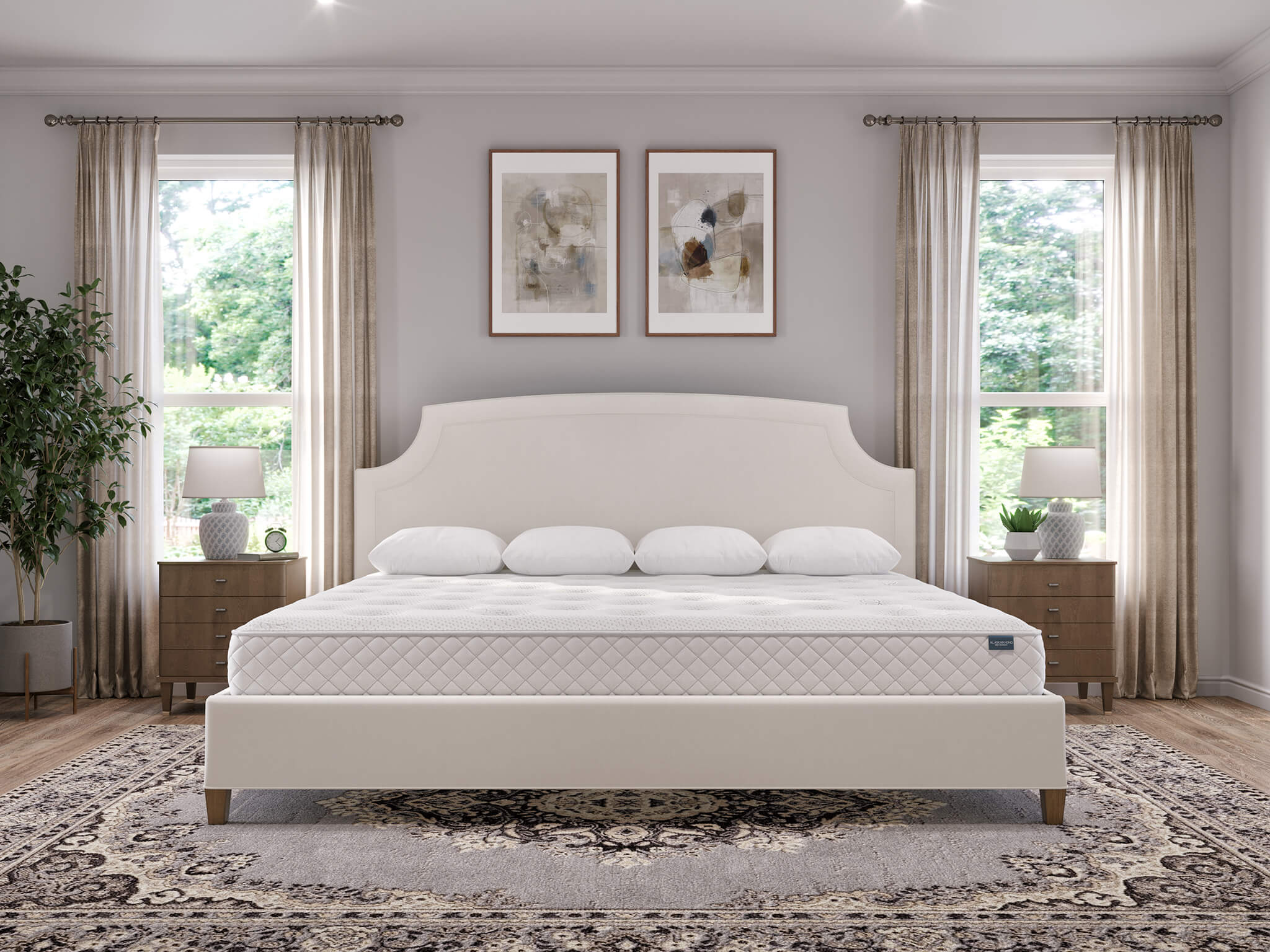
A Small Bed May Not be Giving You the Quality Sleep You Need
You can have the right bedtime routine, a comfortable room, and a full night set aside for sleep, but still wake up tired if your bed is too small for the way you sleep.
Maybe you feel cramped when you stretch out. Maybe your partner’s movement wakes you up. Maybe your kids or pets take over more space than you expected. Or maybe you keep waking up near the edge of the mattress because there simply isn’t enough room to settle in comfortably.
A small bed may seem like a minor inconvenience, but over time, that lack of space can affect how relaxed, supported, and undisturbed you feel at night. When your body can’t move naturally or your sleep keeps getting interrupted, it becomes harder to get the deep, restful sleep you need.

How Can a Small Bed Hurt Your Sleep Quality?
A small bed can hurt your sleep quality by making it harder to get comfortable, stay relaxed, and sleep without interruptions. Even if your mattress feels supportive, limited space can still affect the way your body settles in at night.
When your bed is too small, you may avoid moving because you don’t want to wake your partner. You may sleep closer to the edge than you’d like. You may curl up instead of stretching out. Or you may wake up every time a partner, child, or pet shifts beside you.
These small interruptions can add up. Sleep quality isn’t just about how many hours you spend in bed. It’s also about how comfortable, supported, and undisturbed you feel during those hours.
A larger bed won’t fix every sleep issue, but it can help if your biggest problem is space. More room gives your body the freedom to change positions naturally, gives couples more personal sleeping space, and helps reduce the crowded feeling that can make bedtime less relaxing.
Signs Your Bed May Be Too Small
Your bed may be too small if you regularly feel cramped, crowded, or restricted while you sleep. Sometimes the signs are obvious, but other times you may not realize your mattress size is part of the problem.
Here are a few signs your bed may not be giving you enough room:
- You wake up near the edge of the mattress.
- Your feet hang off the end of the bed.
- You and your partner bump into each other during the night.
- You feel like you can’t stretch out comfortably.
- You avoid changing positions because you don’t want to disturb someone else.
- Your kids or pets leave you with very little sleeping space.
- You wake up stiff because you stayed in one position too long.
- You sleep better when your partner is away.
- You fight over blankets, pillows, or space.
- Your bed feels full before you even settle in.
A Small Bed Can Restrict Natural Movement
Your body is not meant to stay frozen in one position all night. Most people shift, turn, stretch, or adjust as they sleep. These small movements help you get comfortable and relieve pressure from your shoulders, hips, back, and legs.
When your bed is too small, that natural movement becomes harder. You may curl up tighter than you want, avoid stretching out, or stay in one position because there isn’t enough room to move freely. If you share your bed, you may also hold back from changing positions because you don’t want to wake your partner.
Over time, that restricted feeling can make sleep less restful. Instead of relaxing fully, your body may stay tense or uncomfortable because it doesn’t have enough room to settle into the position it wants.
A larger bed gives you more freedom to move naturally. Whether you sleep on your side, back, stomach, or switch positions throughout the night, extra space can help you feel less confined and more comfortable.
A Small Bed Can Increase Partner, Pet, and Kid Disturbance
Sharing a bed can be comforting, but it can also make sleep harder when the mattress is too small. Every movement becomes easier to feel. A partner rolling over, a child climbing in, or a pet stretching across the bed can quickly interrupt your sleep.
On a smaller mattress, there is less personal space between sleepers. That means one person’s movement can easily become everyone’s problem. You may wake up when someone shifts, pulls the blanket, changes positions, or takes over the middle of the bed.
This can be especially frustrating if you already sleep lightly. Even small disruptions can make it harder to stay asleep and wake up feeling rested.
A larger bed creates more room for everyone. You still get the closeness of sharing a bed, but with more space to stretch, turn, and settle in without constantly disturbing each other.
A Small Bed Can Make You Sleep Too Close to the Edge
If your bed is too small, you may find yourself sleeping closer to the edge than you realize. This often happens when you share your mattress with a partner, kids, or pets and slowly give up space throughout the night.
Sleeping near the edge can make your body feel less secure and less supported. You may stay tense without noticing it because part of you is trying not to roll off or disturb someone else. Instead of fully relaxing, you end up managing your position all night.
It can also limit how you sleep. You may avoid turning over, stretching your arms, or moving your legs because there simply isn’t enough space left.
With a larger mattress, you have more usable sleep surface. That means you can move away from the edge, find a more comfortable position, and sleep without feeling like you’re fighting for space.
A Small Bed Can Make Hot Sleeping Worse
A small bed can also make you feel warmer at night. When sleepers are crowded close together, body heat builds up faster. Add pets, kids, heavy bedding, or warm pajamas, and the bed can start to feel stuffy instead of comfortable.
Less space can also make it harder to adjust your bedding. If you are tucked under the same blanket as someone who sleeps colder, you may end up trapped under more warmth than your body wants. If pets or kids are in the bed, they can add even more heat and make it harder to cool down.
Hot sleeping is not always caused by mattress size, but a crowded bed can make the problem worse. More room gives each sleeper a little more personal space, which can help the bed feel less cramped and overheated.
If you regularly wake up sweaty, warm, or uncomfortable, your bedding matters too. A larger mattress paired with breathable sheets and lighter layers can help create a cooler and more comfortable sleep setup.
When a Bigger Bed Helps, and When It Won’t
A bigger bed can help when your sleep problems are caused by limited space. If you feel cramped, sleep too close to the edge, wake up when your partner moves, or lose room to kids and pets, upgrading to a larger mattress can make a noticeable difference.
More space gives your body room to stretch, shift positions, and settle in comfortably. It can also give each sleeper more personal space, which may reduce the small disruptions that happen throughout the night.
But a bigger bed will not fix every sleep issue. If your mattress is old, sagging, or unsupportive, size alone may not solve the problem. The same is true if poor sleep is related to chronic pain, insomnia, sleep apnea, restless leg syndrome, severe night sweats, or another medical concern.
Think of a bigger bed as a comfort and space upgrade, not a medical treatment. If the main issue is that your current bed feels crowded, restrictive, or too small for the way you sleep, a Wyoming King can help create a more comfortable sleep environment. If your sleep problems continue even after improving your bed setup, it may be worth speaking with a healthcare professional.
Don’t Forget Bedding That Fits
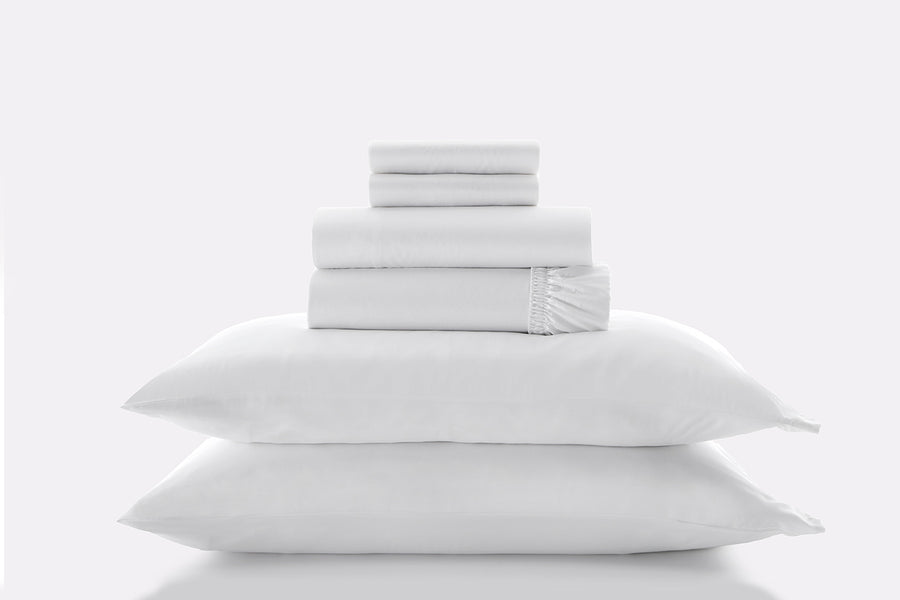
If you upgrade to a larger mattress, your bedding needs to fit it properly. Standard King sheets, comforters, and blankets are not designed for the size of a Wyoming King bed, which can lead to pulling, bunching, slipping, and uneven coverage.
Poorly fitted bedding can make your bed feel less comfortable than it should. Sheets that pop off the corners can interrupt your sleep. A comforter that is too small can leave one person uncovered. A blanket that doesn’t drape properly can make the bed look unfinished and feel awkward to use.
That is why oversized bedding matters. Properly fitted sheets create a smoother sleep surface, while oversized comforters and blankets give you better coverage across the full mattress. This is especially important if you share the bed with a partner, kids, or pets.
When your mattress and bedding are made to work together, your whole sleep setup feels more comfortable. A Wyoming King gives you the extra room, and properly sized bedding helps you enjoy that space.
Your Bed Should Fit the Way You Sleep
If you wake up cramped, crowded, overheated, or pushed toward the edge, your bed may be too small for the way you actually sleep.
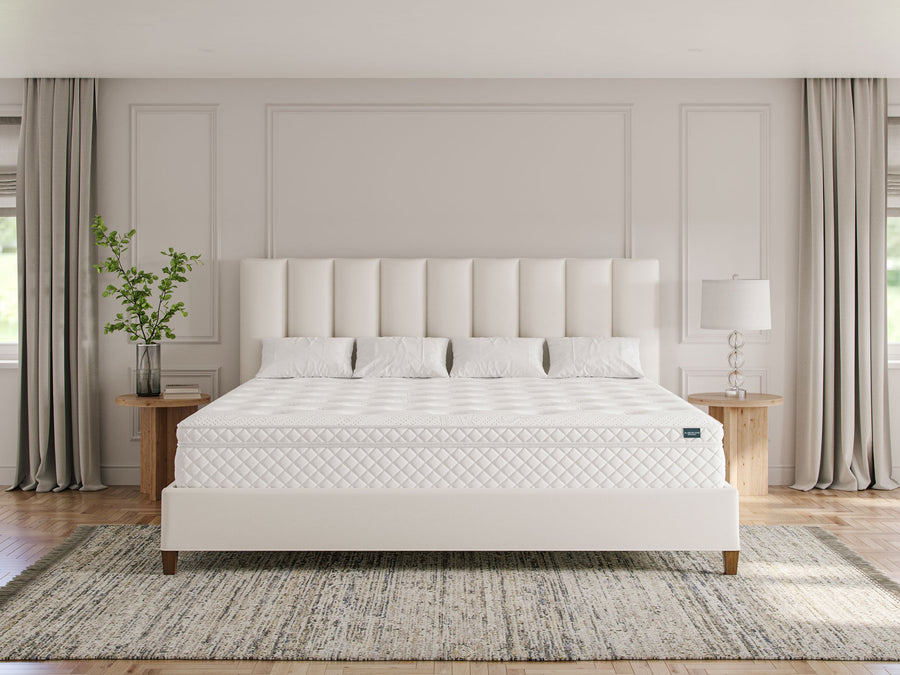
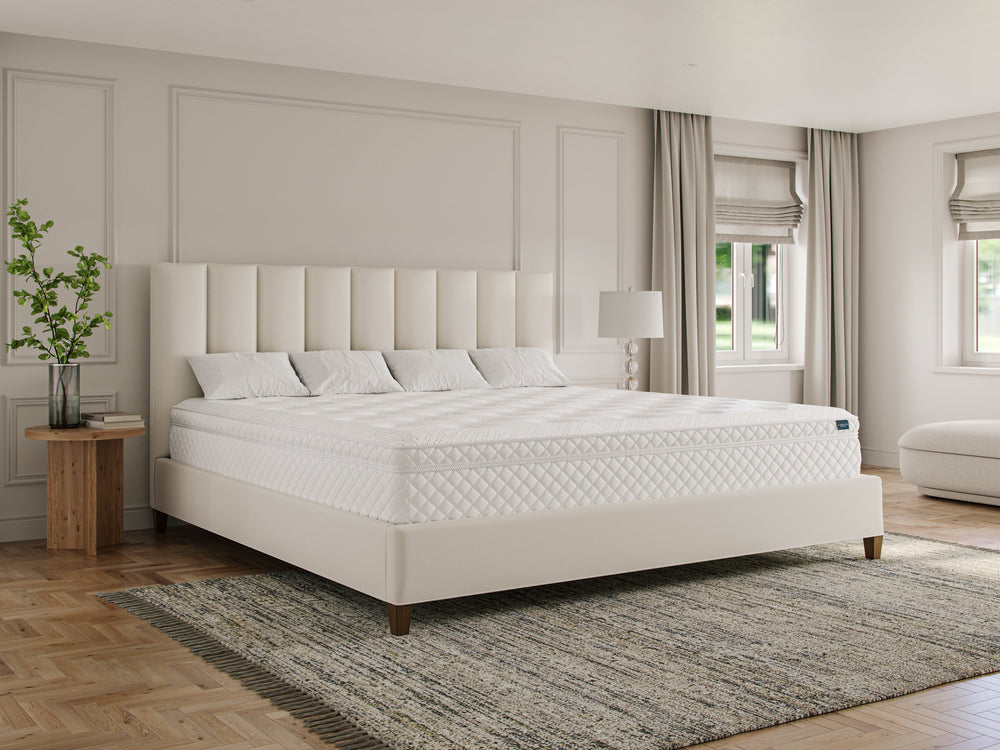
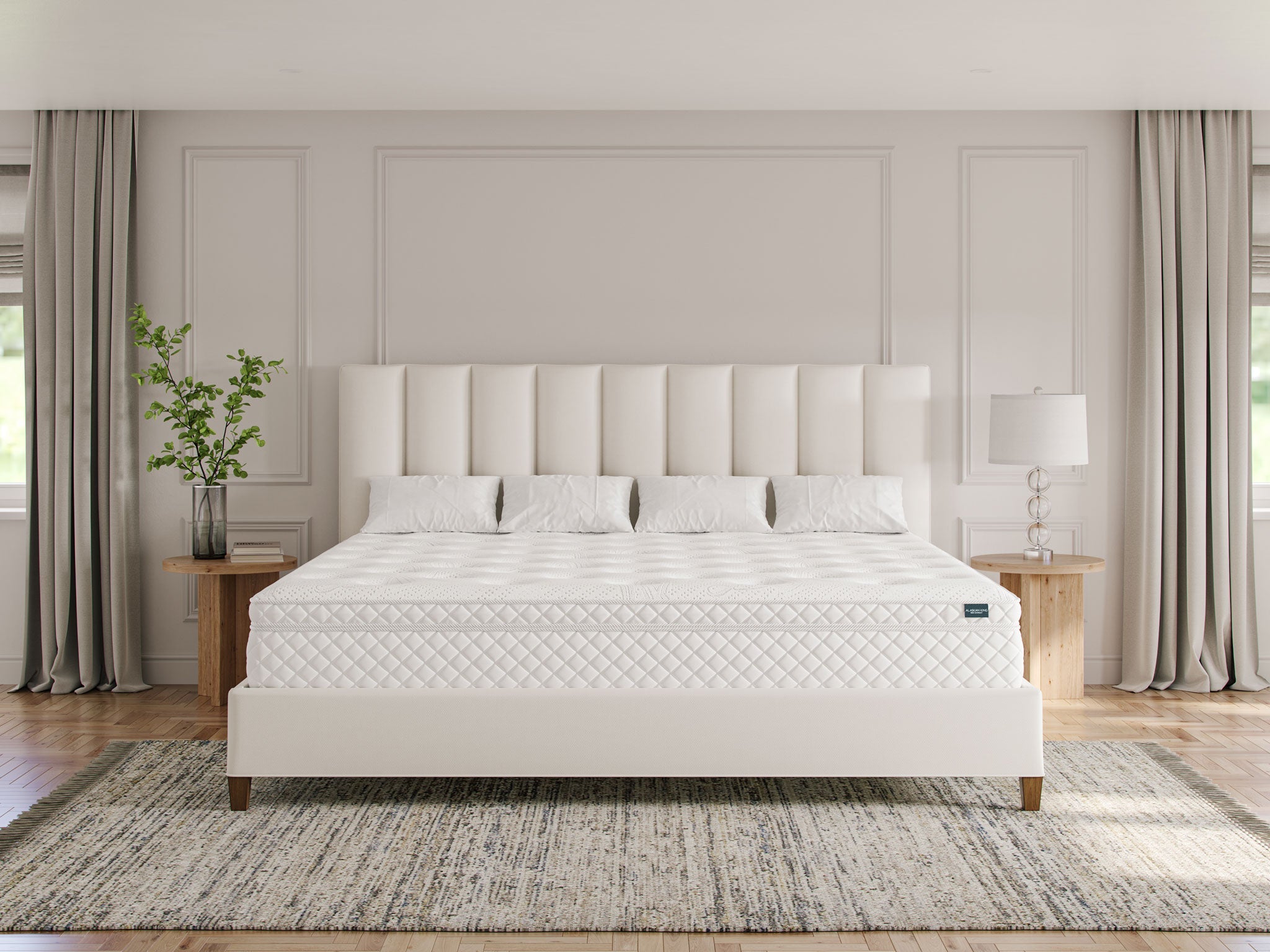
A Wyoming King gives you more room to stretch out, change positions, share the bed, and settle in without fighting for space. It can be a strong upgrade for couples, families, tall sleepers, restless sleepers, and anyone who shares the bed with pets.
Pair it with properly sized Wyoming King bedding, and your whole sleep setup feels smoother, softer, and more comfortable.
Ready for more room? Explore our Wyoming King mattresses to get a bed that finally fits the way you sleep.
Frequently Asked Questions
How do I know if I need a bigger bed or just a better mattress?
If your mattress feels saggy, uneven, or unsupportive, the problem may be mattress quality. But if the main issue is feeling cramped, crowded, pushed to the edge, or disturbed by someone else’s movement, mattress size may be the bigger problem. Many sleepers need both – a supportive mattress and enough room to sleep comfortably.
Who benefits most from upgrading to a Wyoming King?
A Wyoming King is especially helpful for people who feel restricted on a standard mattress. This may include couples who want more personal space, parents whose kids climb into bed, pet owners, tall sleepers, combination sleepers, and anyone who feels like a regular King still isn’t large enough.
Can a bigger bed help couples sleep better together?
A bigger bed can help couples sleep better together if the issue is limited space. More room can reduce bumping, blanket pulling, edge sleeping, and movement-related wakeups. It also gives each person more personal sleeping space without needing to sleep in separate beds.
Is upgrading to a bigger bed worth it?
Upgrading to a bigger bed is worth it if your current mattress feels too small for your daily life. If you regularly lose sleep because of crowding, pets, kids, partner movement, or lack of personal space, a larger mattress can make your bedroom feel more comfortable and better suited to the way you sleep.