
Why You Wake Up Sore and What Your Bed Size Has to Do With It
Waking up sore is confusing. You sleep through the night, yet your body feels stiff, achy, or out of alignment the moment you get up. It is easy to blame stress, age, or yesterday’s workout, but there is another cause people rarely consider. Your bed might simply not have enough room for you to rest the way your body needs.
When you spend the night curled up for space, bumping into a partner, or shifting to avoid the edge, your muscles never fully relax. That tension builds quietly and shows up the moment the morning hits.
The good news is that you can prevent this kind of soreness. With the right amount of space, your body can finally rest instead of fighting for room.
Why You Wake Up Sore Every Morning
Morning soreness is more common than most people realize, and it usually builds slowly over time. While it may feel like your body is falling apart overnight, the real issue often comes from what happens during your sleep cycle.
Your body needs deep, uninterrupted rest to repair muscles, ease tension, and reset your joints. When something disrupts that process, even slightly, you wake up stiff or achy instead of refreshed.
Light sleep, poor alignment, pressure on your shoulders or hips, and frequent tossing all interfere with your natural recovery. Partner movement, pets jumping in and out of bed, or sleeping in cramped positions can also pull you out of the deeper stages of sleep your body depends on.
These disruptions may be small, but when they happen throughout the night, the morning soreness adds up.
The Hidden Role Bed Size Plays in Morning Aches
Your body does not stay still while you sleep. It follows natural rhythms that help your muscles relax, your joints decompress, and your spine settle back into alignment.
When your bed is too small, these rhythms are interrupted. It changes how your body rests, how deeply you sleep, and how well your tissues recover. Over time, these small disruptions show up as morning stiffness and soreness.
You Can’t Relax Fully When You’re Cramped for Space
Humans are wired to stretch during sleep. It is part of your body’s built-in recovery system.
Stretching helps release tension from the hips, spine, and shoulders, and it primes your muscles for deep relaxation. When your bed limits how far you can extend, your muscles stay partially engaged instead of loosening. That low-grade tension builds through the night and leads to the stiff, tight feeling you get in the morning.
You Move More When You Share a Small Bed
Your nervous system stays alert to movement around you, even while you sleep. It is a leftover survival instinct, and it means your body automatically responds to partners, kids, or pets shifting beside you.
In a small bed, every movement reaches you. You adjust without fully waking up, but these micro-responses pull you out of deep sleep, where muscle repair takes place. Less time in deep sleep means more aches the next morning.
A Small Bed Changes Your Natural Sleeping Angles
Your spine relies on neutral positioning during rest. It keeps pressure off the lower back and prevents strain in the neck and shoulders.
When space is tight, you end up curling inward, twisting your hips, or tucking your arms into awkward positions to avoid the edge or someone next to you. These small adjustments disrupt your spinal alignment for hours at a time. That kind of positioning puts steady pressure on joints and soft tissues, which leads to soreness when you wake up.
Signs Your Bed Might Be Too Small for You
A cramped bed can create discomfort you may not realize comes from the size of your mattress. The signs are subtle at first, then harder to ignore as your body keeps fighting for space while you sleep. If any of these feel familiar, your bed may not be giving you the room your body needs to rest comfortably:
- You wake up stiff, achy, or sore even after sleeping through the night
- You or your partner sleeps near the edge because there is not enough room in the middle
- You curl your legs or tuck your arms in tightly to avoid bumping into someone
- You feel your partner’s movement throughout the night
- You fight for blankets or feel like you are losing space as the night goes on
- You sleep better when you are alone or stretched out on the couch
- Kids or pets leave you feeling squeezed into one side
- You wake up in the same cramped position you fell asleep in because you never had room to shift
How a Larger Bed Supports Better Morning Recovery
Your body does its deepest repair work while you sleep. Muscles release built-up tension, joints decompress, and your spine realigns from the stress of the day. To do this properly, you need space to move naturally and settle into comfortable positions. A family-size bed gives your body enough room for that recovery to happen.
Here are some benefits of getting a bigger-than-King mattress:
More Room to Stretch and Release Tension
Your muscles soften and lengthen during sleep. When you have room to extend your legs, reposition your hips, or open your shoulders, your body can fully relax. This reduces the tight, compressed feeling that often shows up in the morning when space is limited.
Fewer Disturbances From Partners, Kids, or Pets
The more surface area you have, the less you feel every shift or adjustment happening beside you. That means fewer micro-awakenings and longer stretches of deep sleep, which is where muscle repair and tissue recovery take place. Even if you share your bed, everyone gets their own space to settle in.
Better Alignment From Head to Toe
A larger mattress allows your body to fall into more natural angles. Instead of curling inward or twisting to make room, you can lie in positions that support your spine, hips, and shoulders. When your alignment stays neutral through the night, you wake up with less strain and fewer aches.
Who Benefits Most From Upgrading to a Family-Size Bed
A larger bed works best for people whose sleep patterns, lifestyles, or family dynamics require more room than a standard mattress can provide. An oversize bed may be a great update for:
- Couples with different sleep habits or movement levels
- Parents who co-sleep with babies, toddlers, or older children
- Households with pets that love to stretch out or shift during the night
- Tall sleepers who need more space to stay fully supported
- Restless sleepers who move often throughout the night
- Light sleepers who are easily disturbed by partners, kids, or pets
- Anyone who regularly wakes up stiff, cramped, or achy
How to Create a Morning Without Pain
Waking up without soreness starts long before the morning. It comes from the space you sleep in, the way your body unwinds at night, and the small habits that support deeper, more restorative rest. These changes set the stage for pain-free mornings.
Give Your Body Enough Space to Move Naturally
Choose a mattress that allows you to stretch, roll, and shift without bumping into a partner, child, or pet. Space is one of the biggest factors in how well your body recovers overnight.
Keep Your Sleep Environment Cool and Calm
A slightly cool bedroom helps your body drop into deeper sleep stages where tissue repair happens. Choose breathable bedding, regulate temperature, and keep the room dark and quiet. These small adjustments reduce tossing and turning, which lowers morning tension.
Create a Consistent Nighttime Routine
Your body rests better when it knows what to expect. A relaxing bedtime routine, a short wind-down, and minimal stimulation before sleep help your muscles and nervous system relax. The more predictable your evenings feel, the easier it is to wake up without soreness.
Choose Bedding That Supports Your Body
Supportive pillows, breathable sheets, and a giant mattress protector that keeps your surface clean and comfortable all play a role in how your body feels in the morning. Quality materials keep your spine aligned and reduce pressure on your hips and shoulders.
Pay Attention to How Your Body Feels Before Bed
If you notice tightness in your back, hips, or neck, a few minutes of light stretching or slow movement can help release tension before you settle in. When your muscles are already relaxed at bedtime, your sleep becomes deeper and more restorative.
A Bigger Bed Can Change the Way You Wake Up
Waking up sore does not have to be a normal part of your morning. When your body finally has room to stretch, move, and settle into positions that support deep rest, everything about your sleep begins to change. You fall asleep faster, stay asleep longer, and wake up feeling clear and restored instead of tight and achy.
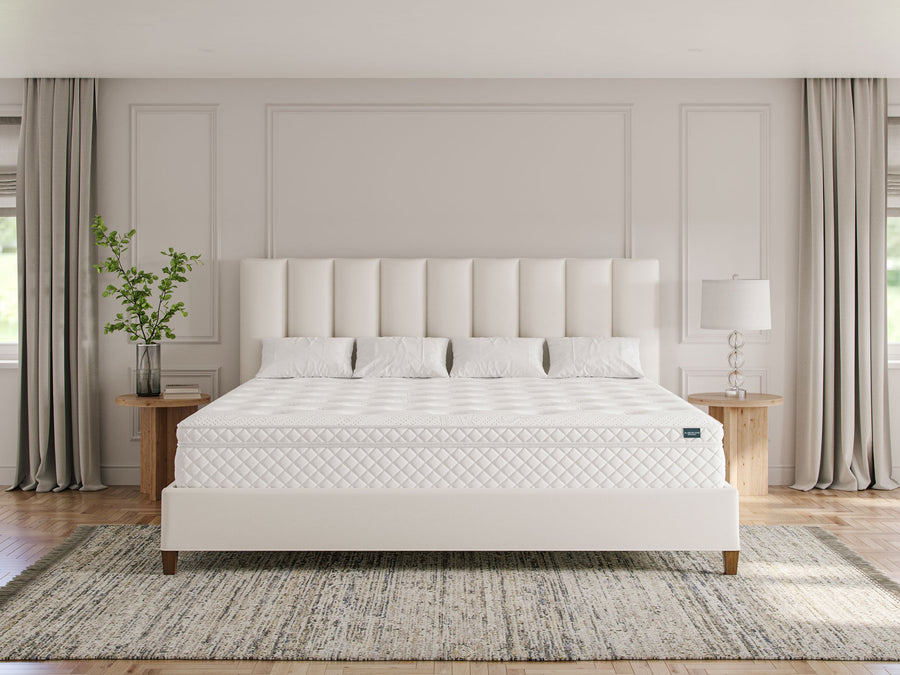
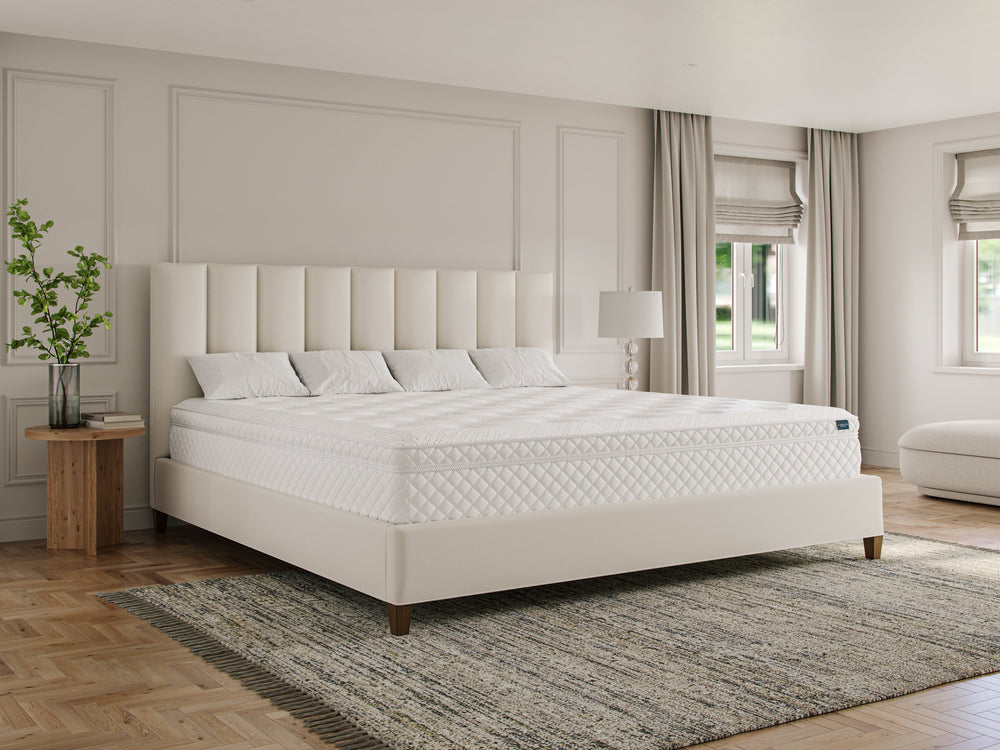
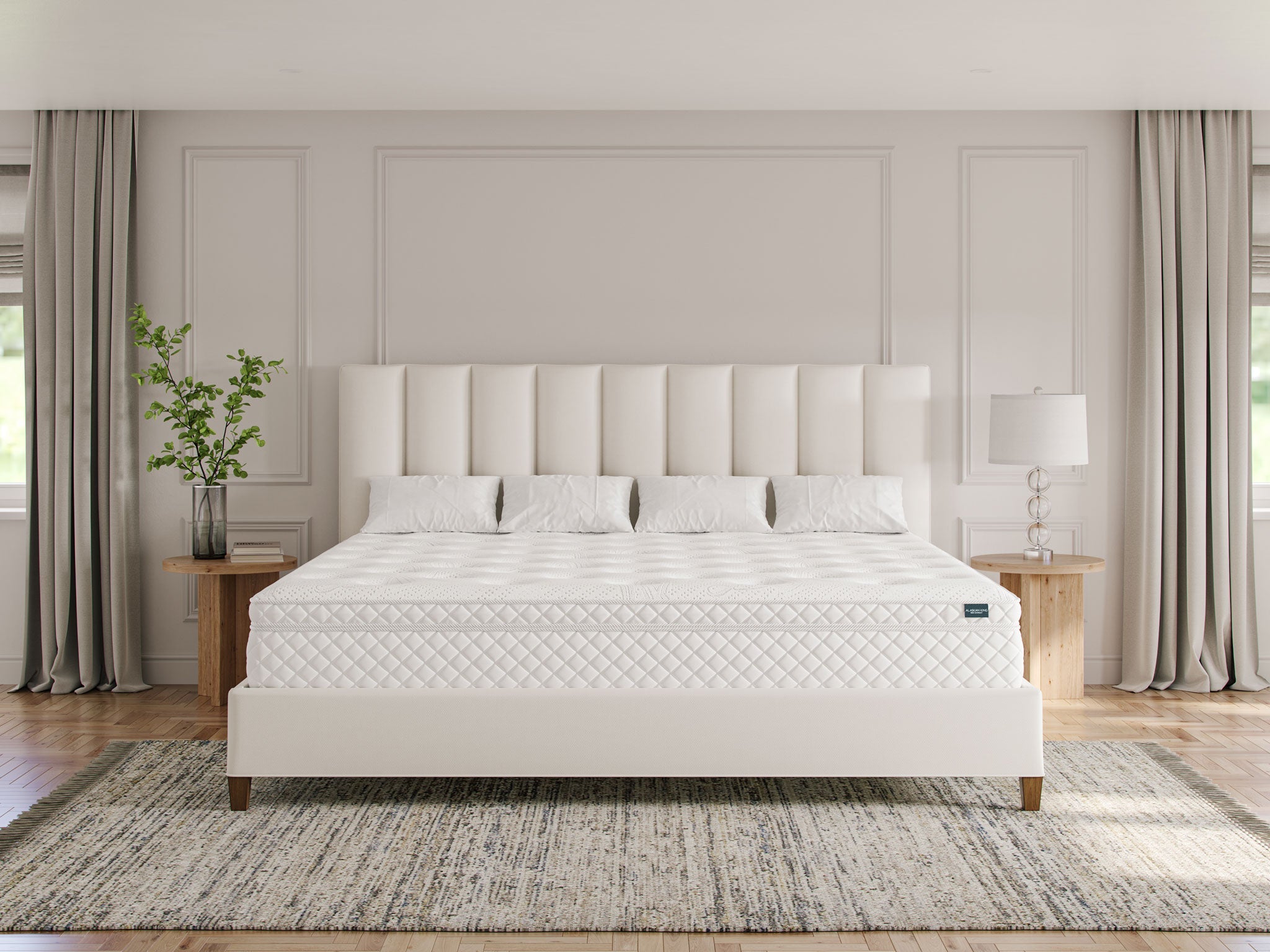
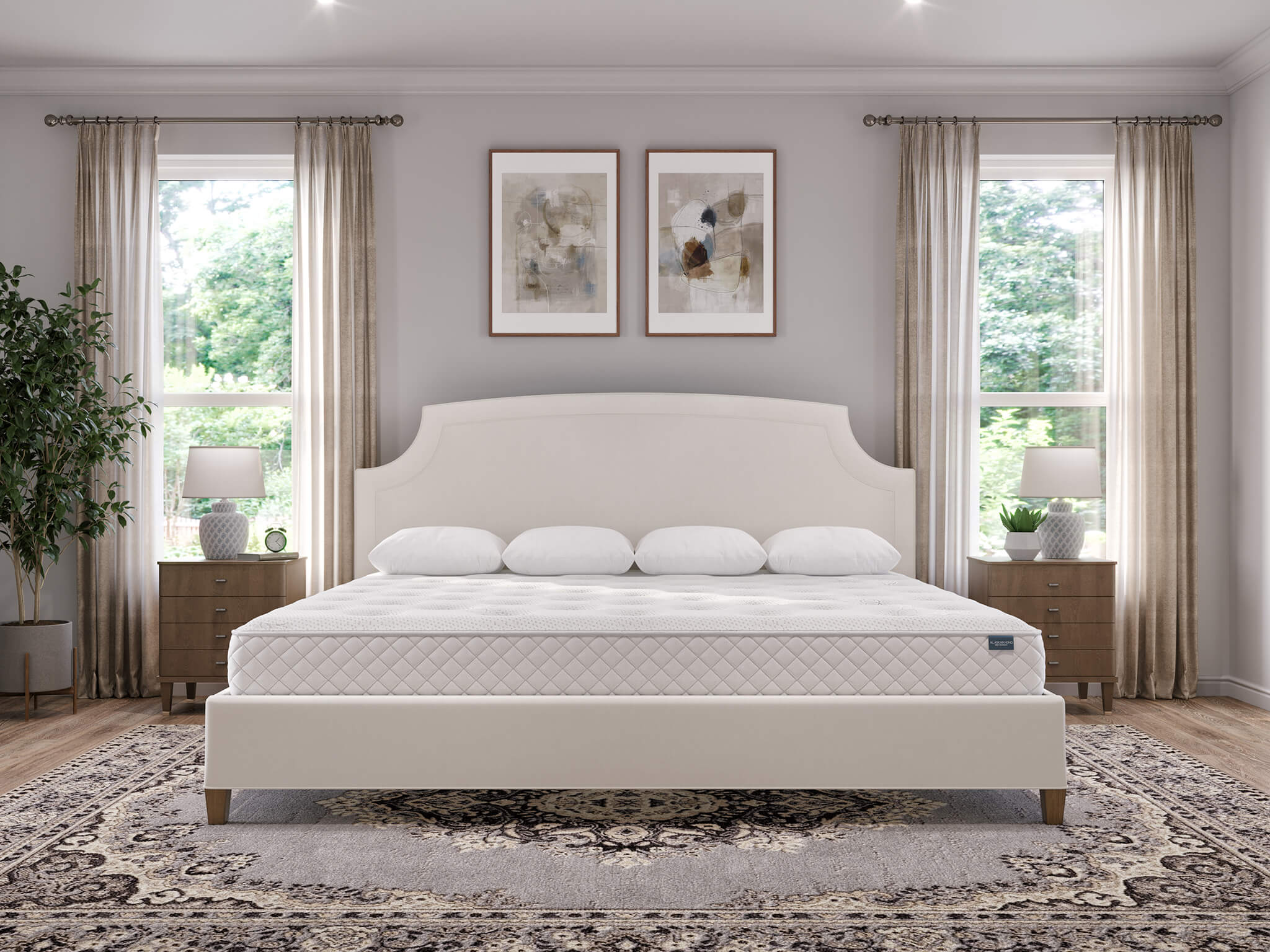
A Wyoming King mattress gives you the kind of space your body has been missing. The generous width and length let you relax fully, even if you share your bed with a partner, kid, or pets. With handcrafted support, breathable materials, and room to move naturally, your sleep becomes more comfortable and your recovery more complete.
If your mornings have been marked by stiffness or discomfort, it may be time to upgrade the space you sleep in. Explore our Wyoming King mattress collection and experience what real rest feels like. Your best mornings start with a bed that gives your body the room it deserves.