

How to Choose the Right Firmness for Better Sleep
You wake up tired even after a full night in bed. Your back feels stiff, your shoulders ache, or you spend half the night tossing and turning, trying to get comfortable. Most people blame stress, age, or bad sleep habits, but the real issue is often that your mattress firmness doesn’t match how you sleep.
Mattress firmness is one of the most misunderstood parts of buying a bed. “Firm,” “medium,” and “soft” get thrown around without much explanation, which leaves you guessing and hoping for the best. If you guess wrong, your sleep pays the price.
Let’s explore mattress firmness using the 10-point firmness scale, explain what each level feels like, and help you understand which option supports your body, sleep position, and lifestyle.
Firmness Is the Difference Between Sleeping and Recovering
Mattress firmness affects how your spine aligns, how pressure is distributed across your body, and how often you wake up during the night. When firmness is off, your muscles stay tense instead of relaxing, your joints absorb uneven pressure, and your body never fully settles into deep, restorative sleep.
Too soft, and your hips and shoulders sink out of alignment. Too firm, and pressure builds where your body needs relief the most. Over time, the wrong firmness can quietly sabotage your sleep, which leaves you sore in the morning and exhausted by midday.
The right firmness supports your natural sleep position, body weight, and movement patterns. It allows your spine to stay neutral, reduces pressure points, and helps your body recover overnight. That’s why firmness is a foundation for better sleep, night after night.
The 10-Point Mattress Firmness Scale Explained
Mattress firmness is often described in vague terms like “plush” or “supportive,” which doesn’t help much when you’re trying to make the right choice. That’s why we use a 10-point firmness scale. It gives you a clear, standardized way to understand how a mattress feels and who it’s designed for.
On this scale, 1 is extremely soft, 10 is extremely firm, and most sleepers land somewhere between 4 and 8, depending on body type, sleep position, and personal comfort needs.
Soft Mattresses (1-3 on the Firmness Scale)
Soft mattresses provide a deep, plush feel that allows your body to sink in quickly. These mattresses contour closely to your shape, which can feel comforting and pressure-relieving, especially around the shoulders and hips.
This firmness range tends to work best for lighter-weight sleepers and side sleepers who need extra cushioning to avoid pressure buildup. However, for many people, especially those with higher body weight or back and stomach sleepers, soft mattresses allow too much sink. That can pull the spine out of alignment and lead to lower back discomfort over time.
Soft mattresses prioritize cushioning over structure. If you love the feeling of being hugged by the mattress and don’t need strong pushback support, this range may feel luxurious. If you wake up feeling stuck, saggy, or sore in the lower back, it’s usually a sign that the mattress is too soft.
Medium Mattresses (4-6 on the Firmness Scale)
Medium firmness sits right in the comfort sweet spot for a wide range of sleepers. These mattresses balance contouring and support, offering enough softness to relieve pressure while still keeping the spine aligned.
This range works especially well for combination sleepers, couples with different sleep styles, and people who shift positions throughout the night. Medium mattresses adapt well as you move, so you’re less likely to feel trapped in one position.
For many households, medium firmness is the safest all-around option. It’s supportive enough for back sleepers, comfortable enough for side sleepers, and forgiving enough for shared beds. If you’re unsure where to start, this firmness range often delivers the most consistent comfort across different body types.
Firm Mattresses
Firm mattresses offer a flatter, more supportive sleep surface with minimal sink. Instead of cradling your body, they keep you lifted and evenly supported from head to toe.
This firmness level is ideal for back sleepers, stomach sleepers, and heavier individuals who need stronger structural support to maintain proper spinal alignment. Firm mattresses also appeal to people who dislike the feeling of sinking into their bed and prefer a more stable, grounded sleep surface.
It’s important to note that firm doesn’t mean uncomfortable. A well-designed firm mattress still cushions pressure points while preventing sagging. If you wake up feeling supported, aligned, and able to move freely, firm is doing its job. If you feel pressure in your shoulders or hips, the firmness may be too aggressive for your body.
How Sleep Position Affects the Firmness You Need
Your sleep position plays a bigger role in mattress comfort than most people realize. The way your body contacts the mattress determines where pressure builds and how well your spine stays aligned. When firmness doesn’t match your sleep position, your body compensates all night long, which leads to tossing, turning, and waking up sore.
Side Sleepers
Side sleepers put the most pressure on their shoulders and hips. If a mattress is too firm, those pressure points get jammed instead of cushioned, which leads to numb arms, tight hips, or shoulder pain in the morning.
Side sleepers typically feel best on soft to medium-firm mattresses that allow gentle sink at the shoulders and hips while still supporting the waist and spine. This balance keeps the body aligned without forcing it into a stiff, unnatural position.
If you sleep on your side and wake up sore or constantly shift positions, your mattress is likely too firm. You should feel cradled, not compressed.
Back Sleepers
Back sleepers need even, consistent support across the entire body. The goal is to keep the natural curve of the spine intact without letting the hips sink too far or the lower back arch unnaturally.
Most back sleepers do best on a medium to firm mattress that offers light contouring with strong underlying support. This firmness range keeps the hips level and prevents the lower back from collapsing into the mattress.
If you sleep on your back and wake up with lower back stiffness or feel like you’re sagging into the bed, it’s often a sign that the mattress is too soft.
Stomach Sleepers
Sleeping on your stomach places the most strain on the spine, especially the lower back and neck. A mattress that’s too soft allows the hips to sink, which bends the spine into an uncomfortable curve throughout the night.
Stomach sleepers typically need a firm mattress that keeps the body lifted and prevents the midsection from dipping. The surface should feel stable and supportive rather than plush.
If you wake up with lower back pain or neck strain after sleeping on your stomach, your mattress is likely too soft. Firmness helps keep everything aligned and reduces overnight strain.
How Body Weight Influences Mattress Firmness
What one person calls medium can feel soft or overly firm to someone else, simply because weight determines how much the mattress compresses under pressure.
If you’re lighter, you don’t sink in as much. On a mattress that’s too firm, that can mean pressure building fast at your shoulders, hips, or lower back. Instead of feeling supported, you feel stiff. Softer to medium options usually feel more comfortable because they let the mattress meet your body instead of pushing back against it.
If you fall somewhere in the middle, firmness tends to feel the way brands intend it to. Medium and medium-firm mattresses usually hit that sweet spot, offering support without feeling rigid. From there, your sleep position helps fine-tune what feels best.
If you’re heavier, softer beds can compress too much, especially around the hips, which pulls your spine out of alignment and leaves you sore in the morning. Firmer mattresses hold their shape better, keep your body level, and stay supportive over time.
Mattress Firmness for Couples and Shared Sleep Spaces
Sharing a bed sounds simple until two different sleep styles collide. One of you sleeps hot, the other piles on blankets. One rolls all night, the other wakes up if a toe moves. When firmness isn’t right, couples feel it fast.
A mattress that’s too soft can amplify motion and pull both sleepers toward the middle. One that’s too firm can feel unforgiving when bodies, weights, and sleep positions don’t match. The goal is balance.
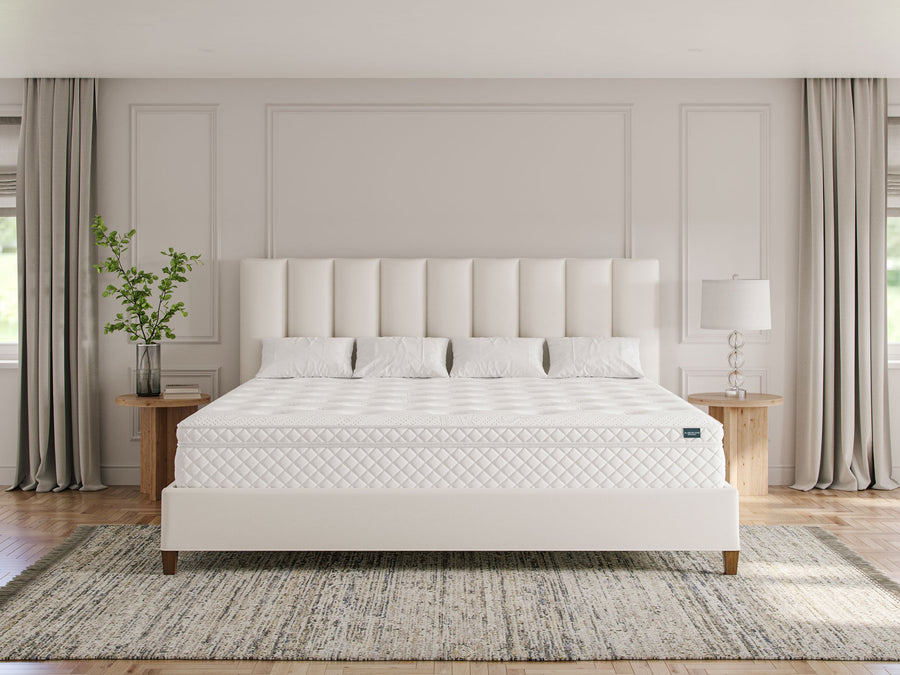
For couples who prefer a stable, supportive feel with minimal motion transfer, The Original mattress works well. Its firmer build keeps the surface level, so movements stay contained and sleepers don’t feel like they’re fighting gravity or each other all night.
If flexibility matters more, The Royale offers the most customization. Available in soft, medium, or firm, it’s ideal for couples who want to fine-tune comfort based on how they sleep, how much they move, or how their needs change over time.
For couples who want plush comfort with structure underneath, The Grand Royale strikes that middle ground. Offered in medium or firm, it delivers pressure relief without sacrificing support, which makes it a strong choice for shared beds, family sleep setups, or anyone who wants luxury without sink.
How to Choose the Right Firmness for You
Choosing the right mattress firmness doesn’t have to be complicated. It comes down to how you sleep, how your body feels in the morning, and who you share the bed with.
- Start with how you sleep most of the night. Side sleepers usually feel best on soft to medium surfaces that cushion shoulders and hips. Back sleepers often prefer medium to firm for balanced support. Stomach sleepers need firmer support to keep the spine aligned.
- Pay attention to pressure points. If you wake up with sore shoulders, hips, or numb arms, your mattress may be too firm. If your lower back aches or you feel stuck in one position, it may be too soft.
- Consider your body weight. Lighter sleepers tend to experience mattresses as firmer, while heavier sleepers feel more sink. The same mattress can feel completely different depending on who’s on it.
- Think about how much you move at night. If you toss and turn, a medium firmness usually gives you enough responsiveness to move easily without feeling unstable.
- Factor in shared sleep. If you sleep with a partner, kids, or pets, firmness helps control motion. Firmer mattresses usually feel more stable when multiple bodies share the bed.
- Account for temperature. Softer mattresses tend to trap more heat. If you sleep warm, leaning toward medium or firm can help you stay cooler through the night.
- Be honest about preference. Some people love a plush, sink-in feel. Others want to feel supported and lifted. Neither is wrong. The best mattress is the one you look forward to sleeping on.
When Firmness Alone Isn’t Enough
Mattress firmness matters, but it’s not the whole story. Two beds can feel equally firm and still sleep completely differently. That’s because comfort and support also depend on construction, materials, and how the mattress responds to movement and weight over time.
If you’ve ever tried a mattress that felt great for the first week and uncomfortable a month later, this is usually why. The layers beneath the surface, the way the mattress distributes pressure, and how well it isolates motion all play a role in how your body feels at night.
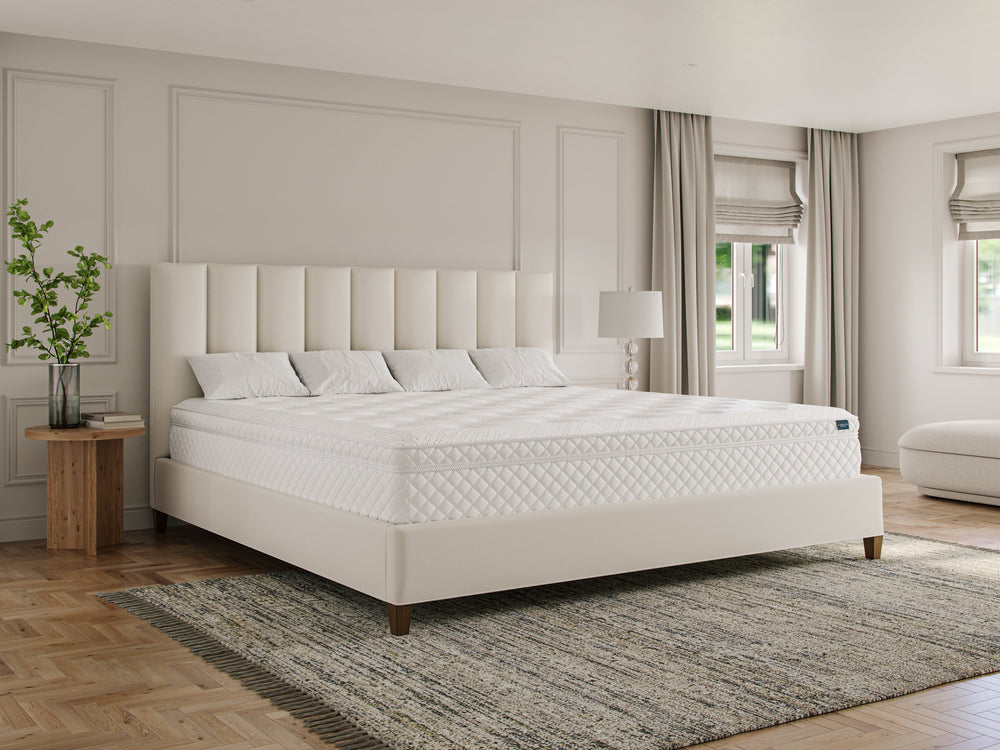
This is where things like latex quality, coil support, edge stability, and mattress thickness come into play. A well-built family-sized mattress uses firmness as a foundation, then fine-tunes comfort through smart design, which is especially important for larger beds, couples, and shared sleep setups.
Choose the Firmness That Fits Your Life
The right mattress firmness helps your body recover, your mind unwind, and your mornings start without stiffness or frustration. When firmness matches how you sleep, how you move, and who you share the bed with, sleep stops being something you tolerate and starts becoming something you look forward to.
That’s why we design mattresses around real sleep needs. Whether you prefer a firm, supportive feel or want the flexibility to choose soft, medium, or firm, our mattresses support your body and your lifestyle for years to come.
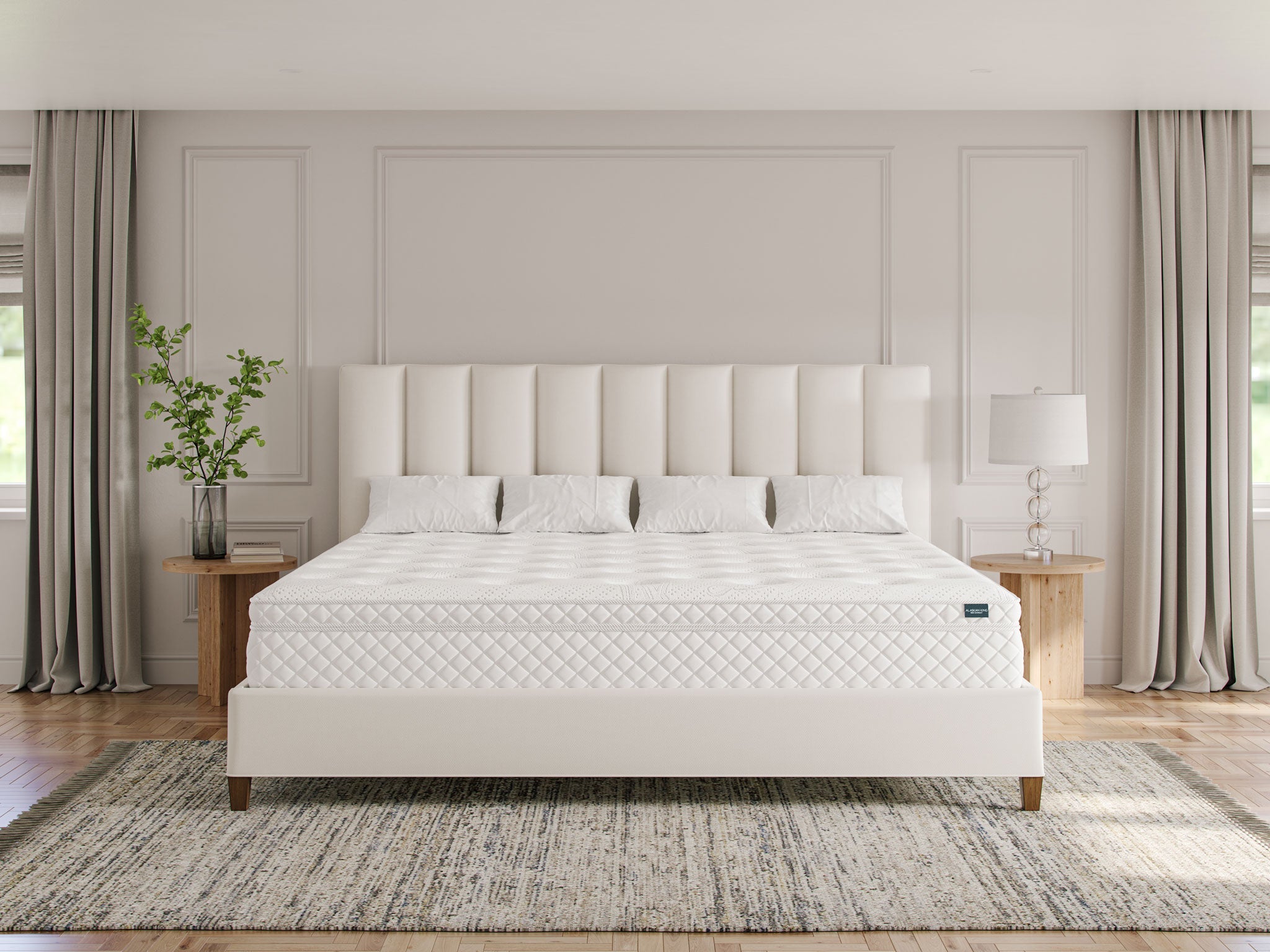
If you’re ready to start sleeping better, explore our Wyoming King mattress collection and find the firmness that feels right, night after night.