
What Night Owls Need to Know About Sleep and Heart Health
Staying up late feels natural for a lot of people. You’re more alert at night, more focused, and forcing an early bedtime rarely works.
The problem is that a large new study following more than 320,000 adults found that people who identify as night owls had a higher risk of heart attack and stroke over time. Not because being a night owl is unhealthy by default, but because late chronotypes are more likely to fall into sleep patterns and lifestyle habits that quietly raise cardiovascular risk.
That’s the tension. You shouldn’t have to fight your biology to be healthy, but ignoring how your rhythm affects sleep and daily routines can add up. The good news is that most of this risk comes from habits you can change without becoming a morning person.
What the New Study Can Tell us About Night Owls and Heart Health?
First, this study doesn’t say that being a night owl automatically ruins your heart. It’s more specific than that.
Researchers followed 322,777 UK Biobank adults (ages 39-74) with no known heart disease at baseline for a median of 13.8 years and tracked first-time heart attacks and strokes. Over that follow-up, there were 17,584 total events (11,091 heart attacks and 7,214 strokes).
Compared with “intermediate” types, people who identified as “definitely evening” had a 16% higher risk of having a heart attack or stroke over time, while “definitely morning” types weren’t at a meaningfully higher risk.
But the most important part is the why.
The same paper looked at Life’s Essential 8 (LE8), the American Heart Association’s score (0-100) built from eight heart-health drivers:
- Physical activity
- Diet
- Nicotine exposure
- Sleep
- Body weight
- Blood lipids
- Bood glucose
- Blood pressure
Night owls were much more likely to score poorly overall. “Definitely evening” chronotypes had a 79% higher prevalence of an unfavorable overall LE8 score (<50) compared with intermediate types.
And when the researchers dug into what explains the higher risk, they found that LE8 explained about 75% of the link between evening chronotype and cardiovascular events.
In other words, most of the risk wasn’t “night owl-ness” itself. It was the cluster of behaviors and health factors that tend to come with it. The strongest single mediator was nicotine exposure (34%), followed by sleep (14%), then blood glucose (12%), body weight (11%), and diet (11%).
What Sleep Chronotype Means and Why Evening Types Get a Bad Reputation
Chronotype is your body’s natural preference for when you feel most awake and when you’d rather sleep. Evening types get a bad reputation because, in real life, the world is still built around the idea that you’re not productive if you don’t get up early.
So, if your brain turns on later, you’re more likely to get stuck in this awkward mismatch where your internal clock says “nap time,” but your schedule says “10 AM meeting.” That mismatch is what researchers often call circadian misalignment.
It’s not that evening types are lazy or undisciplined. But that misalignment can make everyday health habits harder to keep consistent.
The paper notes that circadian misalignment can disrupt behavioral rhythms and may be linked with patterns like irregular sleep, lower diet quality, heavier alcohol use, and smoking, plus downstream changes in things like glucose and lipid regulation through stress-hormone and nervous-system pathways.
That’s why evening types can look worse in health data. Not because their chronotype is inherently a problem, but because the lifestyle that often comes with living out of sync with the day can drag down the exact things the American Heart Association tracks in Life’s Essential 8.
Why the Risk Shows up in Habits More Than a Night Owl Gene
Chronotype is only partly genetic, and it isn’t destiny. What matters more is how often evening types end up out of sync with work schedules, meals, sleep, and recovery. That misalignment can quietly nudge routines off track, as sleep gets irregular, meals happen later, physical activity drops, and stress stays elevated longer into the night.
In the study, most of the added cardiovascular risk among night owls was explained by these practical, modifiable factors rather than a direct biological effect. In other words, the heart wasn’t reacting to being a night owl so much as to the habits that tend to follow when life isn’t built around a late-running clock.
The Night Owl Action Plan With the Highest-Impact Wins
Now that we understand where the risk actually comes from, the next step isn’t changing your chronotype, but fixing the friction points that tend to come with a late schedule. These adjustments focus on the habits that matter most for heart health while still working with a night-owl rhythm.
1. Sleep Without Becoming a Morning Person
You don’t need an early bedtime to support your heart. You need predictable sleep that reduces strain on your system.
- Choose a realistic sleep window you can keep most days (for example, 01:00–9:00), even on weekends.
- Protect the last 60-90 minutes before bed by dimming lights and avoiding high-stimulation activities.
- Keep wake-up time more consistent than bedtime, as this anchors your circadian rhythm.
- Use morning light exposure (sunlight or a bright room) to reinforce a stable day–night signal.
2. Avoid Nicotine Exposure
Late schedules often mean nicotine use stretches later, which compounds cardiovascular stress.
That’s why you should:
- Set a firm nicotine cutoff time in the evening and stick to it.
- Avoid smoking or vaping indoors, especially in spaces where you sleep.
- Be mindful of “social” or stress-driven evening nicotine use because it adds up quietly.
- If quitting entirely isn’t realistic yet, reducing evening exposure still lowers risk.
3. Build a Night-Owl-Friendly Eating Rhythm
The issue isn’t just eating late. Irregular eating disrupts glucose control and weight regulation.
Here’s how to fix that:
- Anchor your day with a consistent first meal, even if it’s later in the morning.
- Keep dinner timing predictable instead of drifting night to night.
- Shift heavier calories earlier in your waking window and keep late-night food lighter.
- Plan ahead to avoid unstructured “snacking dinners” late in the evening.
4. Incorporate Movement That Fits Late Chronotypes
For night owls, movement sticks best when it matches natural energy peaks.
That’s why you can try to:
- Schedule workouts for late afternoon or early evening, not early morning.
- Break movement into smaller sessions if long workouts feel unrealistic.
- Use walking, cycling, or strength training, as consistency matters more than intensity.
- Pair movement with existing routines (after work or before dinner) to reduce friction.
5. Turn Your Bedroom Into a Sleep-Friendly Setup
Evening types are more sensitive to light and stimulation at night, so the environment matters.
Try these bedroom tips:
- Use warm, low lighting after sunset and avoid bright overhead lights at night.
- Stop screen use earlier or use strong blue-light filters.
- Keep the bedroom cool, dark, and quiet to support deeper sleep.
- Reserve the bed for sleep, not scrolling or late-night work.
What This Means for Night Owls
If you’re a night owl, this study shouldn’t feel like a warning label on your biology. It’s more of a mirror.
The increased heart risk linked to evening chronotypes doesn’t come from staying up late by itself. It shows up when late schedules quietly erode sleep consistency, push nicotine and food later into the night, and make movement harder to sustain. Over the years, those patterns matter.
The encouraging part is that none of the highest-impact fixes require becoming a morning person. You don’t have to force early bedtimes or overhaul your identity. You just need systems that work with a late-running clock instead of fighting it.
If you’re a night owl, the key takeaway is to protect the habits that tend to slip when life isn’t built for your rhythm and tighten them in ways that stick. That’s a much more realistic and sustainable place to start.
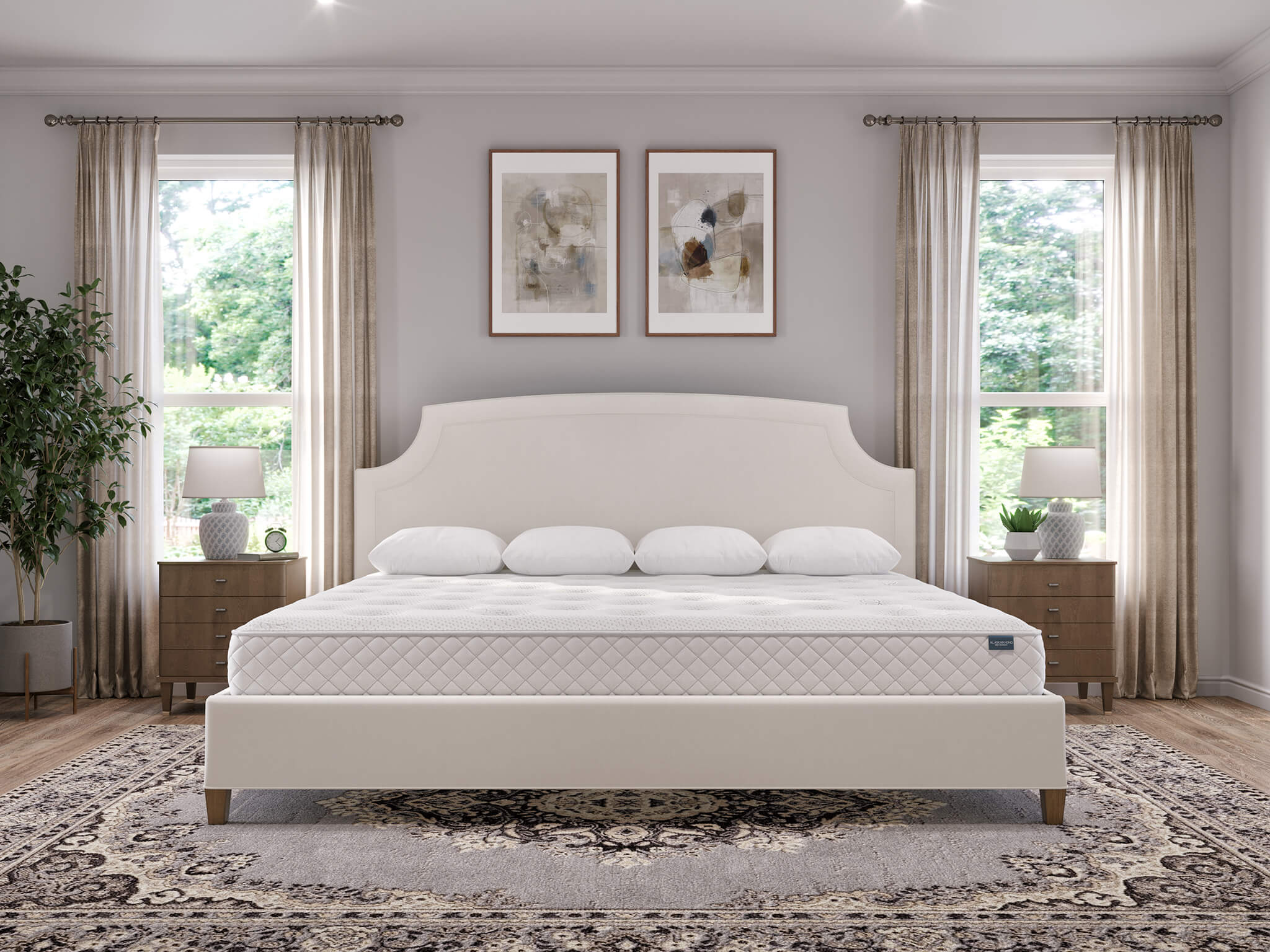
And as always, a bigger bed that gives you enough space to truly rest can make those habits easier to maintain.