

Easy Ways to Create an Ideal Sleep Environment
If your bedroom does not feel calm, comfortable, and sleep-friendly, your body notices. Even small issues like rough bedding, extra noise, poor temperature control, or clutter can make it harder to rest well.
The good news is that you do not need to redesign your whole room to sleep better. A few practical upgrades can make your space far more relaxing, help your body settle down faster, and turn your bedroom into a place that actually supports deep, uninterrupted sleep.

1. Start With a Mattress and Pillow That Support You
Your bed should feel like an oasis that helps your body relax and drift off more easily. If you’re having trouble sleeping or waking up feeling sore, it often makes sense to start with the mattress itself.
One sign that something is off is age. You should replace your bed every six to eight years to ensure it provides maximum comfort. It’s also important that there is no one-size-fits-all approach to sleep. Different sleep styles need different kinds of support.
For example, side sleepers often do best on a medium-firm mattress that cushions the shoulders and hips while still supporting the spine. Sleepers with back pain or those who prefer a more lifted feel may do better with a firmer mattress that reduces sink and keeps the body aligned.
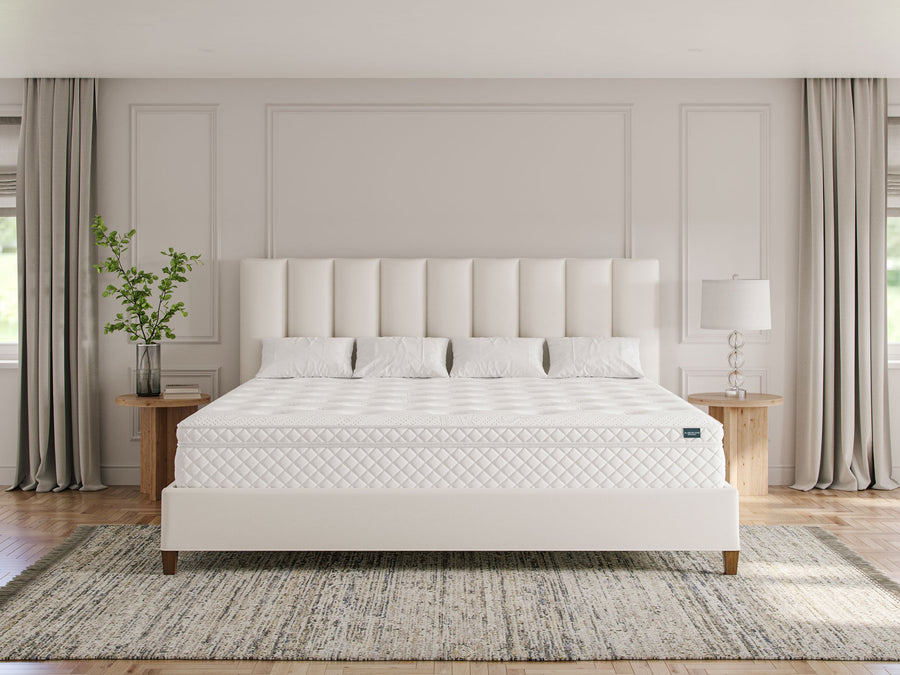
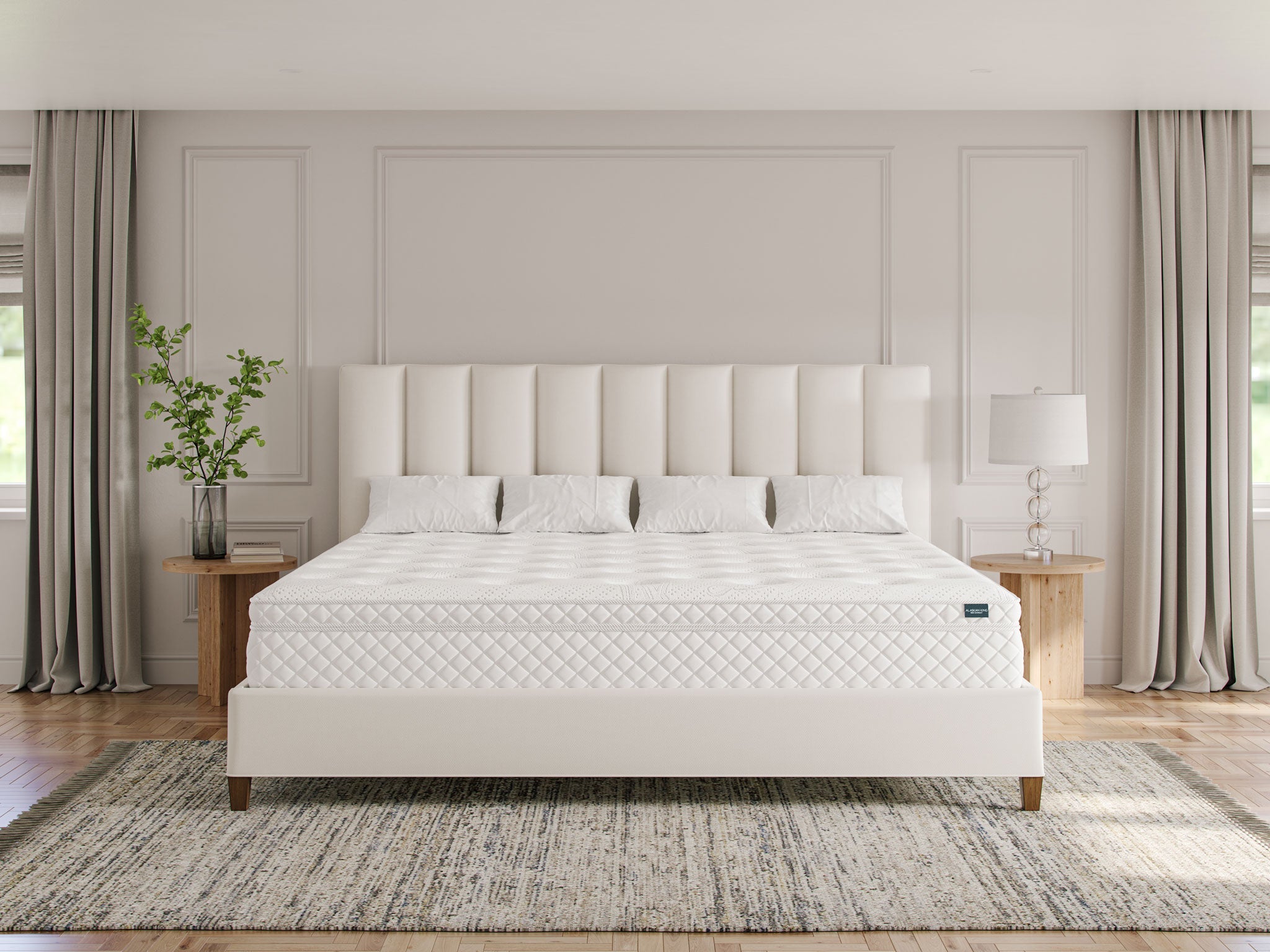
A great versatile option, like The Luxe 12" Wyoming King bed, can work well for a wide range of sleepers. Its natural latex foam offers strong posture support and comfortable pressure relief, and the firmness can be customized to better match your sleep needs.
Your pillow matters too. Even a great mattress can only do so much if your pillow does not support your head and neck properly. The right pillow should help keep your spine in a more neutral position based on how you sleep.
2. Choose Bedding That Feels Good Against Your Skin
Once your mattress feels supportive, the next step is making sure the layers on top of it help you relax. Bedding should feel smooth, breathable, and comfortable from the moment you get into bed. If your sheets feel rough, trap heat, or no longer fit well, it may be time for an upgrade.
Start with the basics. A quality sheet set can make a noticeable difference in how your bed feels night after night. Long-staple cotton is a strong option if you want something soft, breathable, and durable that gets better with time. For sleepers who want an even silkier, cooler feel, bamboo can be a great choice.
It also helps to think beyond sheets alone. A good mattress protector helps keep your bed cleaner and extends the life of your mattress without sacrificing comfort.
The right giant comforter can also make a big difference, especially if you sleep hot, cold, or somewhere in between. And if you like more layering flexibility throughout the year, a breathable blanket can help you fine-tune your comfort without overheating.
When your sheets, protector, comforter, and blanket all work together, your bed feels less like a place you happen to sleep and more like a space that is actually built for rest.
3. Keep Your Bedroom Cool at Night
Temperature plays a bigger role in sleep than most people realize. If your room is too hot or too cold, your body has to naturally work harder to settle down, which can make it tougher to fall asleep and stay asleep through the night.
A good starting point is to keep your thermostat set to around 65 degrees Fahrenheit. Experts agree that this is the best temperature to fall asleep in.
Your bedding matters here, too. If you tend to overheat, look for breathable layers that do not trap too much warmth. If you usually wake up cold, choose bedding that adds more insulation without feeling heavy or uncomfortable.
Your mattress can also make a difference. Some materials hold more heat than others, while cooler sleep surfaces help reduce that trapped, stuffy feeling during the night. The same goes for comforters. A lighter option can work well for hot sleepers or warmer months, while a heavier one makes more sense if you prefer a cozier sleep environment.
Small changes like adjusting the thermostat, improving airflow, and choosing bedding with the right weight can make a big difference in how comfortable your room feels at night.
4. Make the Room as Dark as Possible
Light has a direct effect on how ready your body feels for sleep. If your bedroom is filled with streetlights, glowing electronics, or early morning sunlight, it can be harder to fully settle down and stay asleep through the night.
One of the easiest fixes is to use blackout curtains or shades that block outside light and help keep the room consistently dark. Even small light sources can be surprisingly disruptive, so it also helps to dim or remove glowing clocks, chargers, and other electronics near the bed.
Screens deserve special attention, too. Phones, tablets, and TVs give off light that can make it harder for your brain to shift into sleep mode. If possible, step away from screens before bed or lower the brightness and use warmer light settings in the evening.
The darker your room feels, the easier it is for your body to treat it as a true sleep space.
5. Cut Down on Noise and Nighttime Distractions
A bedroom doesn’t have to be perfectly silent to support good sleep, but it should feel calm enough that your body is not constantly reacting to every sound. Noisy neighbors, traffic, barking dogs, and household distractions can all make it harder to fall asleep or pull you out of deeper sleep during the night.
If outside noise is an issue, earplugs can help reduce sudden disruptions. A white noise machine or fan can also work well by creating a steady background sound that masks sharper noises and makes the room feel more consistent.
It also helps to reduce smaller distractions inside the room. Put your phone on silent, keep unnecessary electronics out of reach, and try not to turn the bedroom into a catch-all space for work, laundry, or late-night scrolling. The fewer things competing for your attention, the easier it is for your mind to slow down.
6. Keep Your Bedroom Clean and Low-Allergen
A clean bedroom can make it easier to sleep, especially if you deal with allergies, asthma, or nighttime congestion. Dust, dirty bedding, and built-up debris can all make your room less comfortable and leave you sneezing, coughing, or waking up feeling stuffy.
Start with the basics. Wash bedding regularly, avoid letting dirty clothes pile up, and vacuum and dust often enough to keep allergens under control. If your room tends to feel dry, stuffy, or dusty, an air purifier or humidifier may also help improve the air quality.
It’s also worth paying attention to the bed itself. A mattress protector helps shield your mattress from sweat, spills, dirt, and everyday wear. If you sleep hot, look for one that is both waterproof and breathable so it protects the mattress without trapping heat.
Keeping your room cleaner and reducing allergens gives your body fewer things to react to at night, which can make sleep feel more comfortable and uninterrupted.
7. Reduce Clutter and Make the Space Feel Calm
Your bedroom should feel like a place to unwind, not a space that keeps your mind busy. If the room is filled with piles of clothes, random objects, or unfinished tasks, that sense of chaos can follow you into bed and make it harder to fully relax.
A calmer room usually starts with small habits. Put things away at the end of the day, keep surfaces as clear as possible, and avoid letting the bedroom turn into a storage zone for everything that doesn’t have a home. Even something as simple as making the bed each morning can make the space feel more settled by the time night comes around.
It also helps to be selective about what stays in the room. The fewer distractions your eyes land on, the easier it is for the space to feel restful. A more minimal setup doesn’t have to feel cold or empty. It just needs to feel less crowded and easier to breathe in.
Small Changes Can Make a Big Difference
An ideal sleep environment doesn’t have to be expensive or complicated. A more supportive bed, breathable bedding, cooler temperature, darker room, less noise, cleaner air, and a calmer space can all make it easier to fall asleep and stay asleep.
The goal is not to create a picture-perfect bedroom, but to build a space that helps your body relax instead of giving it more reasons to stay alert. When your room feels comfortable, quiet, clean, and restful, better sleep starts to feel much more within reach.
Frequently Asked Questions
Does a dark room help you sleep better?
Yes, a dark room helps your body treat the space as a sleep environment, which can make it easier to fall asleep and stay asleep. Experts recommend keeping your bedroom dark, quiet, and cool, and limiting light from phones, TVs, and other electronics before bed.
How can I make my bedroom quieter for sleep?
The easiest ways to make a bedroom quieter are to reduce sudden noise and mask the rest. Earplugs can help block sharp disruptions, while a white noise machine or fan can smooth out background sounds like traffic, neighbors, or barking dogs. Keeping your phone on silent and cutting down on in-room distractions can also make the space feel calmer at night.
Can a messy bedroom affect sleep quality?
Yes, it can. A bedroom that feels crowded, cluttered, or dusty can make it harder to relax and may also increase exposure to irritants like dust and allergens. Keeping the room cleaner, calmer, and more comfortable supports better sleep hygiene, which is why health guidance consistently emphasizes a sleep space that feels quiet, cool, dark, and comfortable.
Do air purifiers help with sleep and allergies?
Air purifiers can help, especially if your sleep is being affected by indoor allergens or poor air quality. Improving indoor air quality can involve source control, ventilation, and air cleaners or filtration. An air purifier will not solve every sleep issue, but it may help reduce airborne irritants that can make nighttime breathing and allergy symptoms worse.